
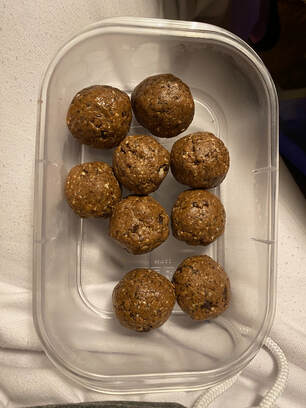
 These energy bites are adapted from a recipe by Ambitious Kitchen. They are delicious and super easy to make! You will need a food processor to make the experience a bit easier, but it can be done without one if you have patience.
Caution: eat these sparingly!
0 Comments
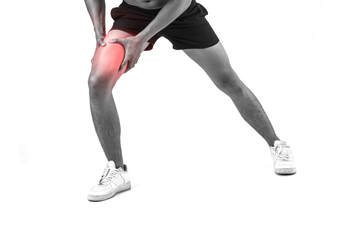 Muscle cramping during workouts can be painful and inconvenient. In the past, we’ve been told that to avoid muscle cramping we should drink lots of water and restore our electrolytes. There is really no evidence to support that theory.
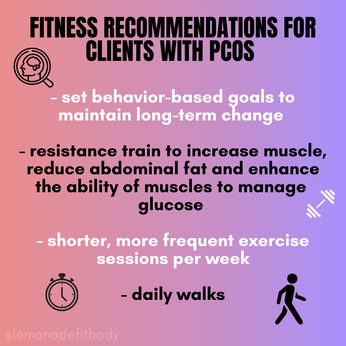 Polycystic Ovarian Syndrome (PCOS) is the most common hormonal disorder in reproductive age women and it can affect up to 20% of the population.
PCOS can be difficult to diagnose and understand due to the fact that it presents in several ways and can happen without polycystic ovaries. 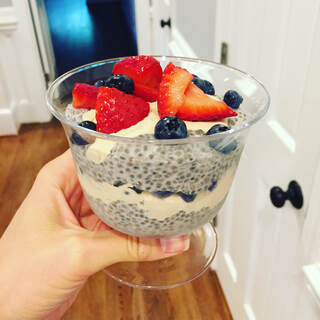 Chia seed pudding is one of the easiest on-the-go breakfasts/snacks to meal prep and it’s delicious! Now, if you’ve never had it you might need some time to adjust to the texture, but trust me, in the end you will love it!
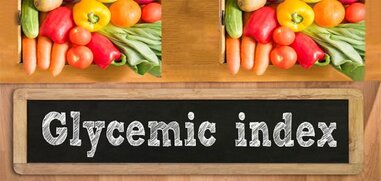 The Glycemic Index (GI) is a method of classifying foods according to their potential to raise blood glucose levels.
Let’s back track for a second. Insulin is a hormone produced by special cells of the pancreas of healthy individuals in response to increased blood glucose concentration, among other things. The primary role of insulin is the transport of glucose from the bloodstream into the the muscle and fat cells. In response to low blood glucose concentration, a hormone called glucagon is secreted by special cells in the pancreas which releases glucose from liver glycogen stores. The body must be able to maintain blood glucose levels within a certain range to function optimally. Both insulin and glucagon help to accomplish this. In individuals with diabetes, these hormones do not function properly.  As we age it becomes increasingly important to take care of ourselves. Muscle mass decreases, balancing becomes more difficult, bone mineral density & size decreases, etc. Today I want to talk about Sarcopenia and what you can do about it.
Sarcopenia is age related muscle loss. Taking care of your body at an early age is important since the symptoms of sarcopenia can begin as soon as 30 years old. Sedentary people lose between 3% to 5% of their muscle mass every decade after turning 30 - this is sarcopenia at work. The only way to stay ahead of the aging process is to stay active for as long as possible!  It’s time to stop looking for instant results and focus on what really matters for long-term success.
If you want to lose fat, conventional wisdom has it that you should go through an intense, fat blasting workout, running frantically from one heart-pounding exercise to the next until you’re left crawling, exhausted, and lying in a puddle of your own sweat. Not so fast… Sure, these workouts might burn tons of calories. Done consistently, they’ll also offer long-term benefits, like increasing aerobic fitness and work capacity. But they’re not necessarily going to make you any leaner. Let me explain why.  You know the feeling when you wake up a day or two after exercising and you are so sore you can’t even walk or lift your arms? I think we’ve all been there! This is called Delayed Onset Muscle Soreness or DOMS.
What Happens During DOMS? There had been speculation that lactic acid buildup in the muscles was responsible for muscle soreness; however, that is not true. At this point, researchers agree that microscopic tears in your muscles are to blame for post-exercise soreness. Of course this then begs the question: why do I feel sore 24-48 hours later? 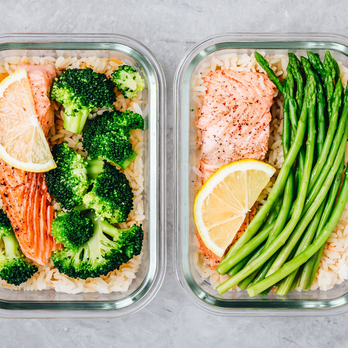 The 2 main things you want to keep in mind when it comes to meal prepping are:
1. Yes, meal prepping takes time and there is no getting around that; and 2: You don’t have to prep everything! Meal Prepping Takes Time Meal prepping is something that you have to set aside time to do, BUT you will be saving yourself a ton of time when you are busy during the week. My first suggestion is to pick a day that you know you have free time. For some, that might be Sunday and for others that might be a Wednesday. It doesn’t matter which day, but pick a day that you have about an hour to 2 hours of time available. 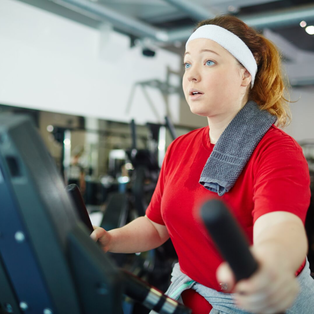 1. You’re not properly tracking your calories
Either you aren’t eating enough or you are eating too much. In both scenarios, you could be unintentionally inhibiting your weight loss. You want to be at a calorie deficit in order to lose weight, however, you don’t want to be so low in calories that your metabolism slows down and you have no energy. If you are tracking your calories, but leave out the “little” things like condiments or that small bag of chips you ate after dinner, you could be sabotaging yourself. Those “little” things could add up to hundreds of calories and put you at calorie maintenance or even a calorie surplus, instead of being in a calorie deficit. On the other hand, if you are too low in calories, you can stall weight loss by slowing down your metabolism. Read more about this in number 5. |
AuthorCandice Canace has been a NASM certified personal trainer since 2014. She specializes in women's fitness, weight loss, functional anatomy and overall health and wellness. Candice offers one-on-one personal training and small group training to women in Charlotte, NC. She also provides home and gym workouts through her online training app and is a certified online trainer. Archives
December 2023
Categories |
 RSS Feed
*Everybody is different and individual results may vary. It is recommended you talk to a healthcare professional before starting any diet or fitness program.
Lemonade Fit™ is Charlotte, NC 's Best Women's Fitness and Weight Loss Studio founded by Candice Canace. Serving clients in Charlotte, NC. Offering small group training and private one on one training for women in Charlotte!
Easy access to/from Uptown, 1-77, 1-74, South End, Dilworth, Myers Park, Wilmore, Wesley Heights, Revolution Park, Ashley Park, Sedgefield, Elizabeth, Cotswold, Plaza Midwood, NoDa, Oakhurst, Villa Heights, Plaza Shamrock, University, Seversville, Enderly Park, Cherry, Eastover, Matthews, Mint Hill, Indian Trail
Lemonade Fit™ is Charlotte, NC 's Best Women's Fitness and Weight Loss Studio founded by Candice Canace. Serving clients in Charlotte, NC. Offering small group training and private one on one training for women in Charlotte!
Easy access to/from Uptown, 1-77, 1-74, South End, Dilworth, Myers Park, Wilmore, Wesley Heights, Revolution Park, Ashley Park, Sedgefield, Elizabeth, Cotswold, Plaza Midwood, NoDa, Oakhurst, Villa Heights, Plaza Shamrock, University, Seversville, Enderly Park, Cherry, Eastover, Matthews, Mint Hill, Indian Trail
|
South End: 1420 S Mint St. O
Charlotte, NC 28203 Park and Enter at the end of Winona MoRa (Oakhurst): 4732 Monroe Rd Charlotte, NC 28205 
|
|




|

|

© 2024 Lemonade Fit. All Rights Reserved. Est. 2014.
Digital Marketing & Website Design by Fit.Strong.Life, LLC.
Digital Marketing & Website Design by Fit.Strong.Life, LLC.

